

Feelings don’t just vanish overnight. They fade slowly, quietly, often without warning. One day you’re deeply in love, and the next you’re wondering what happened to all that warmth.
It’s one of the most confusing and painful experiences in any relationship. And it happens to a lot of people.
Understanding why feelings fade is the first step toward either rebuilding what’s lost or finding peace in letting go. Here are ten of the most common reasons people lose feelings in relationships.
1. Lack of Emotional Connection
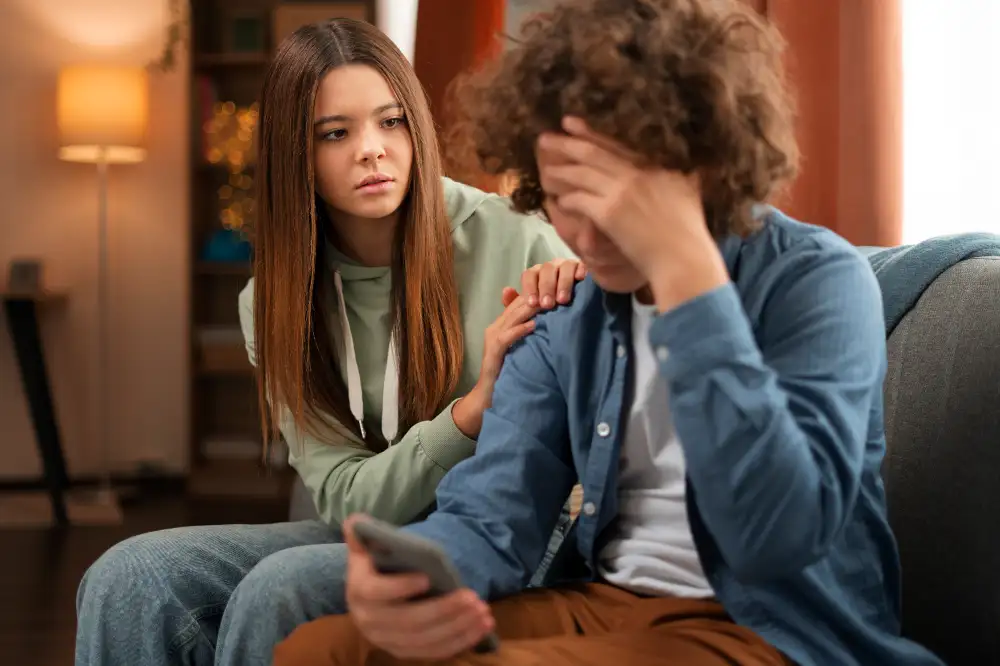
Love needs depth to survive. When two people stop truly knowing each other, feelings naturally start to fade.
Emotional connection isn’t just about talking every day. It’s about feeling seen, understood, and safe with someone. When those conversations stay surface-level for too long, a quiet distance grows.
Over time, you might realize you’re living with someone you no longer really know. That gap is often where feelings go to disappear.
To keep the connection alive, both people need to stay curious about each other. Ask real questions. Share honest thoughts. Let each other in.
2. Poor Communication Over Time

Most relationship problems trace back to one thing: communication breaking down.
In the early stages, people tend to talk more openly. They share fears, dreams, and feelings freely. But as time passes, many couples slip into autopilot. Conversations become transactional. “Did you pay the bill?” replaces “How are you really feeling?”
When communication becomes purely functional, the emotional intimacy starts to dry up. People feel alone even when they’re together.
The fix isn’t complicated. It just takes intention. Check in with each other genuinely. Say the things you’ve been holding back. Small, honest conversations go a long way.
3. Constant Arguments and Unresolved Conflict

Fighting isn’t the problem. Every couple argues. The real issue is when conflicts never get resolved.
When the same arguments repeat over and over without any resolution, it becomes exhausting. Resentment builds. Frustration turns into emotional withdrawal. Eventually, one or both partners stop trying altogether.
Unresolved conflict is like a slow leak. It drains the love out of a relationship without anyone noticing until it’s nearly empty.
Healthy couples learn to fight with the goal of understanding, not winning. If certain issues keep cycling back, it might be worth getting outside help, like couples counseling, to break the pattern.
4. Feeling Unappreciated in the Relationship

Everyone needs to feel valued. When that stops, feelings follow.
It doesn’t have to be dramatic neglect. Sometimes it’s just the absence of small acknowledgments. No thank you for the little things. No recognition of effort. No moments where someone says, “I see what you do, and I’m grateful.”
Feeling invisible in a relationship is deeply painful. Over time, the person who feels unappreciated may emotionally check out as a way of protecting themselves.
Appreciation is a simple but powerful habit. Acknowledge the effort your partner puts in. Say it out loud. It matters more than most people realize.
5. Loss of Trust After Betrayal
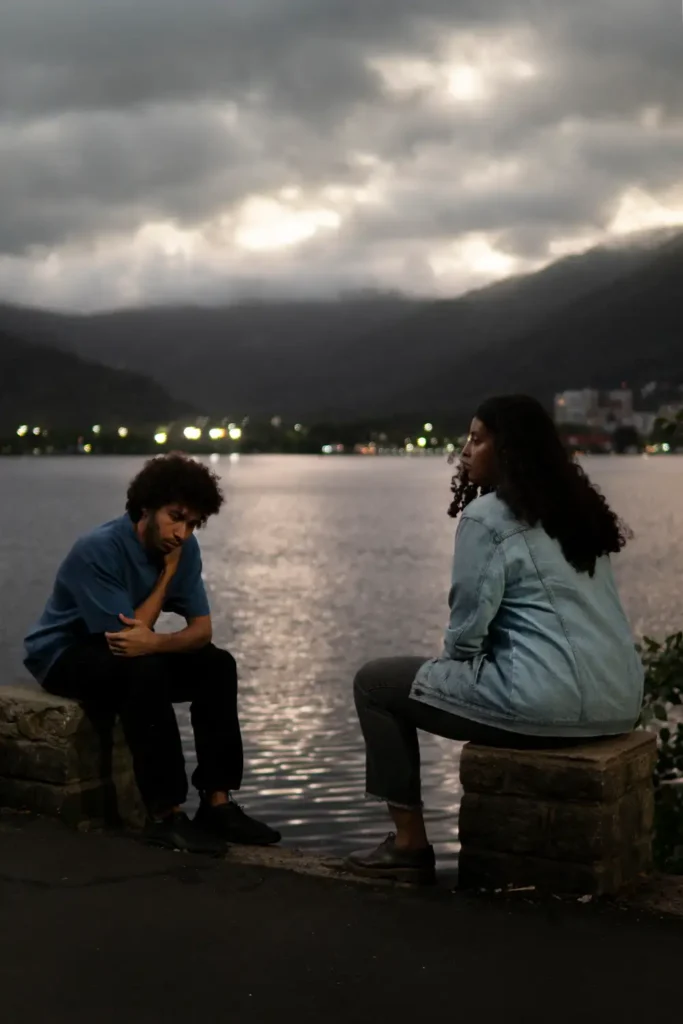
Trust, once broken, doesn’t come back easily. And without trust, love struggles to survive.
Betrayal doesn’t always mean infidelity. It can be a broken promise, a discovered lie, or a moment when someone chose their own comfort over the relationship. Whatever the form, betrayal leaves a wound.
Even when people try to move forward, the emotional weight of that hurt can quietly suffocate the connection. Some people stay in the relationship physically but check out emotionally. The feelings don’t disappear all at once. They just stop growing.
Rebuilding trust takes consistent effort, transparency, and a willingness from both sides to do the hard work. Without that, the feelings rarely fully return.
6. Growing Apart With Different Life Goals

People change. That’s not a flaw; it’s just life. But sometimes two people change in completely different directions.
You might have started out wanting the same things. Same lifestyle, same vision for the future, same values. But over time, your paths diverge. One person wants to settle down while the other craves adventure. One prioritizes career while the other wants family at the center.
When life goals stop aligning, the relationship can start to feel more like an obligation than a choice. And that’s when feelings often begin to fade.
This doesn’t mean the relationship failed. It might just mean two people genuinely grew into different versions of themselves. Recognizing that honestly is important.
7. Routine and Boredom Taking Over

Comfort is beautiful. But too much comfort can turn into numbness.
When a relationship becomes fully predictable, same dinners, same conversations, same routines, it can start to feel flat. The excitement that once made everything feel alive slowly fades into the background.
Boredom in relationships isn’t talked about enough. People feel guilty admitting it. But it’s incredibly common and completely fixable.
The spark doesn’t have to die just because the novelty wore off. Trying new things together, breaking old patterns, and surprising each other can reignite a connection that’s been buried under routine.
Relationships need a little unpredictability to stay alive. Not chaos, just freshness.
8. Emotional or Physical Neglect

Neglect doesn’t always look obvious. Sometimes it’s subtle. A partner who’s always distracted. Someone who’s physically present but emotionally unavailable. A relationship where one person’s needs are consistently pushed to the side.
Over time, that kind of neglect takes a real toll. People start to feel like they’re carrying the emotional weight alone. They stop reaching out because reaching out stopped feeling worth it.
Physical neglect matters too. Touch, affection, and intimacy are powerful ways humans communicate love. When those disappear from a relationship without acknowledgment, the emotional bond weakens.
Everyone has periods of stress or withdrawal. But neglect becomes a problem when it’s the pattern, not the exception.
9. Falling for Someone Else

This one is uncomfortable to talk about, but it’s real.
Sometimes people lose feelings for their partner because their attention, energy, and emotions have quietly shifted toward someone else. It doesn’t always start intentionally. An emotional connection with a coworker, a deepening friendship that crosses lines, or an old flame resurfacing can all gradually pull someone away.
When feelings for another person start growing, it often creates confusion and guilt. Many people stay in the original relationship while emotionally checked out, which is painful for everyone involved.
Honesty, as hard as it is, tends to cause less damage than prolonged emotional absence. If feelings have genuinely shifted, addressing it openly is the more respectful path.
10. Unrealistic Expectations About Love

A lot of people enter relationships with an idea of love shaped by movies, social media, and fairy tales. That version of love is always passionate, always easy, always cinematic.
Real love isn’t like that. It’s quieter. More complicated. Full of ordinary moments and difficult seasons.
When reality doesn’t match the fantasy, some people interpret it as falling out of love. They think that if it requires effort, it must not be real. If there are hard days, it must not be right.
But lasting love is built, not just felt. It’s a choice you make repeatedly, not a feeling that stays effortlessly on its own.
Letting go of unrealistic expectations doesn’t mean settling. It means understanding that real love has seasons, and the quieter ones are still worth showing up for.
In the End
Losing feelings doesn’t always mean the love was fake. It often just means something in the relationship stopped being tended to.
Feelings can fade for so many reasons. Disconnection, neglect, broken trust, unmet needs, or simply two people growing into different people over time. None of it is simple, and none of it is easy to face.
But understanding the “why” gives you something to work with. Whether that means rebuilding what’s been lost or finding the courage to walk away, clarity is always worth seeking.
Love, at its best, is something both people actively choose. When both people are willing to choose it, even on the hard days, feelings have a way of finding their way back.