

We grow up watching love stories in movies and reading romance novels that make love seem effortless and magical.
Boy meets girl. Sparks fly. They fall in love. Roll credits.
But real love? Real love is nothing like what we see on screen.
Nobody tells you about the hard parts, the lessons you have to learn through experience, or the truths that will completely change how you view relationships.
I get it.
When you’re young and falling in love for the first time, you think love conquers all.
You believe that if two people care about each other enough, everything else will fall into place naturally.
But that’s not how it works, sis.
Love is beautiful, yes. But it’s also complicated, challenging, and requires a level of awareness and effort that nobody prepares you for.
The fairy tales don’t tell you that love requires work even when you don’t feel like it.
Romance movies don’t show you that attraction fades and you have to choose each other even when the butterflies are gone.
Social media doesn’t reveal the boring, mundane, sometimes frustrating reality of actually building a life with someone.
So we enter relationships unprepared, making the same mistakes, learning the same lessons the hard way, and wondering why love is so much harder than we thought it would be.
But what if someone had told you the truth about love before you jumped in?
What if you knew these lessons before you had to learn them through heartbreak and disappointment?
That’s what I’m here to do today.
These are the lessons about love that nobody tells you, but everyone needs to know.
Some of them might challenge what you believe about relationships.
Others might make you uncomfortable or force you to look at your own patterns differently.
But all of them are true, and understanding them will save you a lot of pain and wasted time.
So let’s dive in.
16 Things About Love No One Tells You Until It Hurts
Lesson 1: Love Requires Consistent Effort
The biggest lie we’re told about love is that when it’s real, it should be effortless.
People say, “When you know, you know,” or “The right person won’t feel like work.”
But that’s not true.
Every relationship requires effort. Especially the good ones.
Love isn’t something that just happens to you and then maintains itself on autopilot.
It’s a verb, not just a feeling. It requires action, intention, and consistent effort from both people.
You have to choose to show up for your partner even when you’re tired, stressed, or not feeling particularly romantic.
Communication requires effort. Resolving conflicts takes effort. Keeping the romance alive demands effort.
Understanding each other’s changing needs needs effort. Growing together instead of apart requires intentional work.
The honeymoon phase, where everything feels easy and magical, eventually ends for every couple.
When it does, that’s when the real relationship begins.
That’s when you discover whether both people are willing to put in the effort to build something lasting.
The couples who make it aren’t the ones who have perfect chemistry or never fight.
They’re the ones who consistently choose to show up, work through challenges, and invest in the relationship even when it’s not easy.
So stop waiting for a relationship that requires no effort.
Instead, find someone worth the effort and be willing to put in the work.
That’s where real, lasting love is built.
Lesson 2: Attraction Alone Isn’t Enough
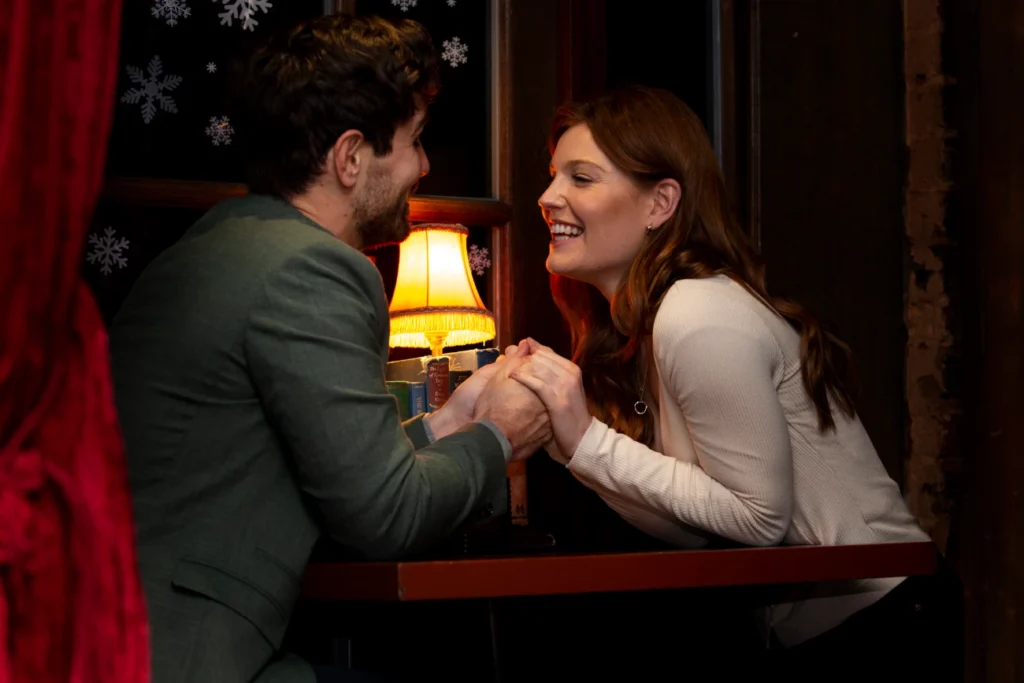
Physical attraction is important, but it’s not enough to sustain a relationship long-term.
I know the sparks and chemistry feel amazing. The butterflies, the excitement, the way you can’t keep your hands off each other at the beginning.
But attraction fades over time for everyone.
What happens when the physical chemistry cools down and you’re left with the actual person?
Do you enjoy their company? Can you have real conversations? Do you respect them as a human being?
Shared values matter more than good looks. Compatibility is more important than chemistry.
Character trumps charisma every single time.
You can be attracted to someone who’s completely wrong for you.
Physical chemistry doesn’t mean you’re compatible or that you should build a life together.
Some of the most toxic relationships I’ve seen had incredible physical attraction.
The sex was amazing, but everything else was a disaster.
People stayed way too long in unhealthy situations because the physical connection was so strong.
Don’t let attraction blind you to incompatibility, red flags, or fundamental differences that will cause problems later.
Pay attention to how this person treats you, how they handle conflict, what their values are, and whether you can actually build a life together.
Attraction might bring you together, but compatibility and character are what keep you together.
Choose someone you can love even when you’re not physically attracted to them in that moment.
Because there will be moments, days, even seasons where the attraction isn’t as strong.
What will hold you together then is everything else you’ve built.
Lesson 3: Communication Is Learned, Not Automatic
Nobody is born knowing how to communicate effectively in a relationship.
It’s a skill you have to learn and practice, and most people enter relationships with terrible communication habits.
We assume that if we love someone, they should just understand us.
We expect our partners to read our minds, know what we need without us saying it, and automatically understand our feelings.
But that’s unrealistic and unfair.
Your partner can’t know what you’re thinking or feeling unless you tell them clearly.
Dropping hints doesn’t work. Expecting them to “just know” doesn’t work. Assuming they understand you without clear communication sets you up for disappointment.
Good communication means being direct about your needs, expressing your feelings honestly, and listening to understand rather than to respond.
It means asking for what you need instead of expecting your partner to figure it out.
It means saying “I feel hurt when you do this” instead of giving the silent treatment.
Most relationship problems come down to poor communication.
People aren’t saying what they mean, aren’t listening properly, or aren’t having the hard conversations they need to have.
Learning to communicate effectively will transform your relationships.
Take the time to develop this skill. Read books about communication. Go to therapy if you need to.
Learn how to express yourself clearly and how to listen with empathy.
This one skill will save you from countless unnecessary fights and misunderstandings.
Lesson 4: Love Changes Over Time
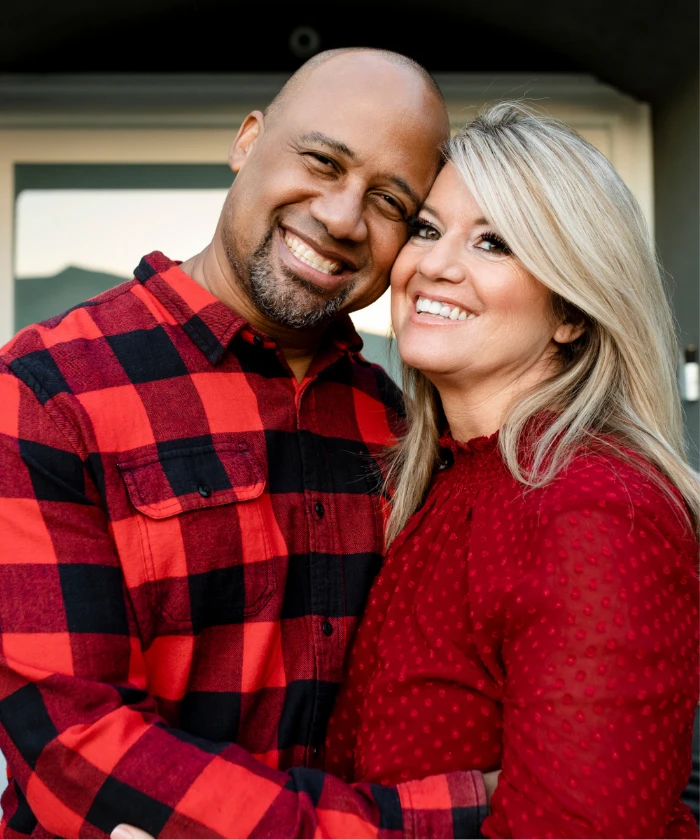
The love you feel at the beginning of a relationship is not the same love you’ll feel five years in.
And that’s not a bad thing. It’s actually a beautiful thing if you understand it.
In the beginning, love is passionate, exciting, and all-consuming.
Everything is new. Every text makes your heart race. You can’t get enough of each other.
But that intensity cannot and will not last forever.
Eventually, love transforms into something deeper, calmer, and more stable.
The butterflies fade, but they’re replaced by comfort, security, and deep companionship.
Passionate love evolves into committed love. Excitement transforms into partnership.
Many relationships end because people think something is wrong when the initial intensity fades.
They assume they’ve “fallen out of love” when really, the love has just changed form.
Understanding that love evolves helps you appreciate each stage instead of chasing the feeling of the beginning forever.
The comfortable, stable love of a long-term relationship is just as valuable as the exciting love of the early days.
It’s just different.
Stop comparing your five-year relationship to how it felt in month two.
They’re supposed to be different. Both are valid forms of love.
Embrace the evolution instead of resisting it.
Lesson 5: Conflict Is Inevitable and Necessary
Conflict doesn’t mean your relationship is failing. It means you’re two different people trying to build a life together.
Disagreements will happen. Arguments will occur. You will annoy each other sometimes.
That’s not a sign that you’re wrong for each other. It’s a sign that you’re human.
The couples who never fight aren’t necessarily the healthiest ones.
Sometimes, no conflict means someone is suppressing their feelings, avoiding important issues, or not being authentic.
Healthy conflict, handled properly, actually strengthens relationships.
It allows you to address issues before they become resentments. It helps you understand each other better.
It creates opportunities for growth and deeper connection.
The key is learning to fight fair and resolve conflicts constructively.
That means no name-calling, no bringing up past issues that have been resolved, and no trying to hurt each other.
Focus on the specific issue at hand. Listen to understand your partner’s perspective.
Work together to find solutions instead of trying to win the argument.
Conflict resolution is a skill every couple needs to develop.
When you can disagree without destroying each other, when you can work through problems as a team, your relationship becomes stronger.
So don’t avoid conflict or view it as the enemy.
Learn to navigate it in healthy ways, and it will actually bring you closer together.
Lesson 6: You Can’t Fix or Save Someone

This is one of the hardest lessons to learn, especially for women who have been conditioned to be nurturers and caretakers.
You cannot fix your partner or save them from themselves, and you cannot love someone into changing if they’re not ready or willing to change.
Stop entering relationships with people who need fixing, thinking your love will be the catalyst for their transformation.
It won’t.
People only change when they want to change for themselves, not because someone else wants them to.
Dating someone for their potential instead of who they actually are right now is a recipe for disappointment.
Love the person in front of you, not the person you hope they’ll become someday.
If he’s struggling with addiction, unresolved trauma, anger issues, or destructive patterns, your love alone won’t heal him.
He needs professional help and personal commitment to change.
Your role as a partner is to support someone who’s actively working on themselves, not to be their therapist, mother, or rehabilitation program.
Too many people waste years trying to fix someone who has no intention of changing.
They sacrifice their own wellbeing, thinking if they just love hard enough, the person will finally see the light.
But that’s not how it works.
Save yourself the heartbreak. Date people who are already doing the work on themselves.
Love people who are already whole, not people you hope to make whole.
Lesson 7: Boundaries Strengthen Love
Boundaries aren’t barriers that keep people apart. They’re guidelines that keep relationships healthy.
Many people think that love means having no boundaries, being completely open and available to your partner at all times, and merging into one person.
But that’s codependency, not healthy love.
Good boundaries actually strengthen relationships because they create respect, safety, and clarity.
Setting boundaries means communicating your limits clearly and respecting your partner’s limits in return.
It means saying no when you need to without guilt. It means protecting your time, energy, and emotional wellbeing.
It means not tolerating disrespect or behavior that crosses your values.
Boundaries look like saying, “I need time alone to recharge,” or “I’m not comfortable discussing this right now,” or “This behavior is not acceptable to me.”
When you have clear boundaries, you teach people how to treat you.
You create a relationship where both people feel respected and safe.
You avoid resentment that builds when you’re constantly sacrificing your needs to keep the peace.
The right person will respect your boundaries, not push against them.
They won’t make you feel bad for having limits or try to guilt you into crossing your own boundaries.
If someone consistently violates your boundaries after you’ve clearly communicated them, that’s a sign they don’t respect you.
Love yourself enough to set boundaries and enforce them.
Your relationship will be healthier for it.
Lesson 8: Love Requires Emotional Maturity

You can’t have a healthy relationship without emotional maturity.
Period.
Emotional maturity means taking responsibility for your feelings instead of blaming your partner for everything.
It means managing your emotions instead of letting them control you. It means communicating needs clearly instead of expecting your partner to read your mind.
It means apologizing when you’re wrong and forgiving when you’re hurt.
Emotionally immature people play games, give silent treatments, and manipulate their partners.
They blame everyone else for their problems and refuse to acknowledge their own issues.
They expect their partner to meet all their emotional needs and make them happy.
Emotional maturity understands that you’re responsible for your own happiness.
Your partner can add to it, but they can’t create it for you.
Mature love recognizes that both people are flawed humans doing their best.
It extends grace while also holding people accountable. It communicates directly instead of through passive-aggressive behavior.
Before you commit to a serious relationship, work on your own emotional maturity.
Learn to regulate your emotions, communicate effectively, and take responsibility for your part in conflicts.
Look for a partner who’s doing the same work on themselves.
Two emotionally mature people can navigate almost any challenge together, while two emotionally immature people will struggle even when things are good.
Lesson 9: Timing Matters More Than Feelings
You can meet the right person at the wrong time, and it still won’t work.
I know that’s hard to accept, but it’s true.
Feelings aren’t enough if the timing is off. Love alone can’t overcome circumstances that make a relationship impossible or unhealthy.
Someone can be perfect for you on paper, but if they’re not ready for commitment, dealing with personal issues, or in a completely different life stage, the relationship won’t survive.
You might meet someone amazing while you’re still healing from past hurt and unable to show up fully.
They might be right for you, but you’re not ready for them yet.
Timing includes readiness, life circumstances, personal growth stages, and a million other factors that affect whether a relationship can thrive.
Stop trying to force relationships to work when the timing is clearly off.
You can’t love someone into being ready. You can’t wait indefinitely hoping circumstances will change.
Sometimes the most loving thing you can do is walk away and trust that if it’s meant to be, you’ll find your way back to each other when the timing is right.
Other times, you have to accept that the timing will never be right and let that person go.
It’s painful, but it’s reality.
Pay attention to timing as much as you pay attention to feelings.
Both matter equally in determining whether a relationship will succeed.
Lesson 10: Trust Is Built Slowly
Trust isn’t something you give someone automatically just because you’re in a relationship.
It’s earned over time through consistent actions.
Stop trusting people too quickly just because you want to believe in them.
Real trust develops when someone shows up for you repeatedly, keeps their promises, respects your boundaries, and proves through their behavior that they’re trustworthy.
One grand gesture doesn’t create trust. Consistent small actions over time do.
Pay attention to patterns, not promises. Watch what people do, not just what they say.
Someone can tell you all day that they’re trustworthy, but their actions will show you the truth.
Building trust takes time. Breaking it takes seconds. Rebuilding it takes even longer than building it the first time.
That’s why you should protect your trust and only give it to people who’ve proven they deserve it.
Don’t let people rush you into trusting them before they’ve earned it.
If someone is pressuring you to trust them immediately or getting upset that you’re taking time to build trust, that’s a red flag.
Trustworthy people understand that trust is earned and are willing to be patient while proving themselves.
Take your time. Let trust develop naturally through consistent positive experiences.
That’s how you build a solid foundation for a lasting relationship.
Lesson 11: Love Should Feel Safe, Not Anxious

Butterflies in the beginning are normal. But constant anxiety throughout the relationship is not.
Love should make you feel secure, safe, and at peace most of the time.
If you’re constantly anxious, wondering where you stand, questioning whether he loves you, or walking on eggshells, that’s not love.
That’s emotional instability, and it’s not healthy.
Real love provides a sense of security. You know where you stand. You trust your partner’s feelings for you.
You feel comfortable being yourself without fear of judgment or rejection.
Anxiety in a relationship often comes from inconsistency, mixed signals, or behavior that makes you question the relationship.
When someone’s actions don’t match their words, anxiety is the natural result.
When someone is hot and cold, giving you attention one day and ignoring you the next, your nervous system can’t relax.
Pay attention to how you feel in the relationship. Your body knows before your mind catches up.
Constant anxiety is your intuition telling you something isn’t right.
The right relationship will have its challenges, but it won’t leave you constantly anxious and insecure.
You’ll feel like you’re building something together, not constantly fighting to prove your worth or earn someone’s love.
Choose relationships that feel like home, not like a battlefield where you’re always on guard.
Lesson 12: Independence Keeps Love Healthy
Maintaining your independence is crucial for a healthy relationship.
When you lose yourself in a relationship, trying to become one person with your partner, you actually weaken the relationship.
Codependency kills attraction and creates resentment over time.
Keep your own interests, friendships, and identity even when you’re deeply in love.
Your partner should add to your life, not become your entire life.
Having your own hobbies and passions makes you more interesting.
Maintaining friendships outside the relationship gives you support and perspective.
Pursuing your own goals keeps you fulfilled as an individual.
When both people maintain healthy independence, they bring more to the relationship.
They have stories to share, experiences to bring back to the partnership, and a sense of wholeness that doesn’t depend entirely on the other person.
Independence also means emotional self-sufficiency.
Your happiness shouldn’t be entirely dependent on your partner’s mood or behavior.
You should be able to self-soothe, manage your emotions, and find joy in life even when things are rocky in the relationship.
This doesn’t mean you don’t need your partner or that you’re not committed.
It means you’re a whole person who’s chosen to share your life with another whole person.
That’s infinitely healthier than two half-people trying to complete each other.
Lesson 13: Love Doesn’t Mean Losing Yourself

This builds on the previous lesson but goes deeper.
Many people, especially women, sacrifice who they are to make relationships work.
They abandon their dreams, change their personalities, ignore their values, and become shadows of themselves.
All in the name of love.
But that’s not love. That’s self-abandonment.
Real love honors who you are. It doesn’t require you to become someone else.
The right person will love you for your authentic self, not for the version of yourself you perform to keep them happy.
When you lose yourself in a relationship, you eventually become resentful.
You mourn the person you used to be. You regret the dreams you gave up.
You realize you’ve been living someone else’s life instead of your own.
And then, ironically, your partner often loses attraction because the person they fell for is gone.
Stay connected to yourself. Know your values and protect them. Pursue your dreams and goals.
Speak your truth even when it’s uncomfortable. Maintain your boundaries and identity.
A relationship should enhance your life, not erase it.
Love shouldn’t cost you yourself. If it does, it’s too expensive.
The right person will want you to grow, flourish, and become more of who you are.
They won’t ask you to shrink or disappear to make room for them.
Lesson 14: Actions Matter More Than Words

People will tell you they love you, but their actions show you the truth.
Words are easy. Anyone can say “I love you” or make promises about the future.
Actions require effort, consistency, and genuine care.
Stop accepting words without corresponding actions.
If someone says they love you but consistently treats you poorly, promises to change but never does, or claims you’re a priority but never makes time for you, believe their actions, their patterns, and their choice
Real love is demonstrated through behavior, not just declared through words.
It shows up in the small, consistent ways someone treats you every day.
The way they listen when you talk. The effort they make to understand you.
How they show up during difficult times. Whether they keep their promises. How they treat you when they’re upset.
Pay attention to the full picture of someone’s behavior over time, not just the moments when they’re on their best behavior.
Consistency is key. Anyone can be loving occasionally. But do they show love consistently, even when it’s inconvenient?
Judge people by their actions, especially when those actions contradict their words.
Actions reveal character. Words can hide it.
Choose someone whose actions align with their words, whose behavior matches their promises.
That’s how you know their love is real.
Lesson 15: Healing Past Wounds Is Essential
Unhealed trauma and past wounds will sabotage your current relationship if you don’t address them.
Your ex-partner might be gone, but the pain they caused can show up in your new relationship.
Past abandonment makes you clingy and insecure. Previous betrayal makes you suspicious and unable to trust.
Childhood wounds affect how you show up in adult relationships.
Patterns from your parents’ relationship often repeat in yours unless you consciously break them.
It’s not your current partner’s job to heal your past wounds, but it is your responsibility to work on healing them.
Go to therapy. Do the inner work. Process your trauma. Understand your triggers and patterns.
Heal so you can show up fully in your relationship instead of projecting past pain onto your present partner.
Your partner isn’t your ex. They’re not your parent. They’re not responsible for wounds they didn’t cause.
Give them a fair chance by not making them pay for someone else’s mistakes.
At the same time, look for a partner who’s doing their own healing work.
Someone who’s never addressed their trauma will inevitably hurt you with their unresolved issues.
Two people committed to healing and growth can build something beautiful together.
Two people avoiding their wounds will create chaos, no matter how much they love each other.
Healing isn’t easy, but it’s necessary if you want healthy, lasting love.
Lesson 16: Love Is a Daily Choice
The final lesson, and perhaps the most important one: Love is a choice you make every single day.
Feelings come and go. Some days you’ll feel deeply in love. Other days you’ll feel neutral or even annoyed.
That’s normal and doesn’t mean anything is wrong.
What matters is the choice you make to love your partner even on the days when you don’t feel particularly loving.
Choosing to show up. Choosing to be kind. Choosing to work through problems instead of running away.
Choosing to honor your commitment when it would be easier to quit.
Long-term love is built on daily choices more than on feelings.
Feelings fluctuate based on hormones, stress, life circumstances, and a million other factors.
Choices are what you control. Commitment is what sustains relationships through seasons when feelings aren’t strong.
This doesn’t mean you stay in a relationship that’s toxic or unhealthy.
It means that in a generally good relationship, you don’t bail just because you’re not feeling the magic every single moment.
You choose to invest in the relationship, to communicate, to forgive, to see the best in your partner, and to work on problems together.
Love as a daily choice is what separates relationships that last from relationships that crumble at the first sign of difficulty.
Anyone can love when everything is easy. Strong couples love even when it’s hard.
That’s the kind of love that stands the test of time.
To Conclude
These lessons aren’t meant to discourage you about love or make relationships seem impossible.
They’re meant to prepare you for reality so you can build something real and lasting.
Love is beautiful, but it’s also complex and requires awareness, effort, and growth from both people.
The fairy tales did us a disservice by making love seem effortless.
Real love takes work, but when you understand these lessons, that work becomes meaningful instead of frustrating.
Stop looking for perfect, effortless love. It doesn’t exist.
Instead, look for real love with a real person who’s willing to grow with you, work through challenges, and choose you every day.
Learn these lessons now so you don’t have to learn them the hard way through heartbreak.
Understand that love changes, requires effort, and isn’t always easy.
Accept that communication is a skill you must develop, that boundaries are necessary, and that you can’t fix someone who doesn’t want to change.
Know that timing matters, trust takes time to build, and independence keeps love healthy.
Recognize that actions matter more than words and that healing your past is essential for a healthy future.
Most importantly, remember that love is a choice you make daily, not just a feeling that happens to you.
When you understand these truths about love, you can approach relationships with realistic expectations and the tools you need to build something that lasts.
That’s how confident women handle it.
They learn the lessons, do the work, and create the kind of love that’s real, healthy, and worth fighting for.